Get a better insight into the topics surrounding induction heating. Here we recommend some standard works of technical literature for a better understanding.
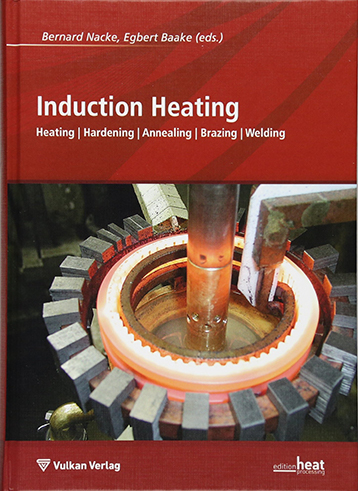
Induction Heating. Bernard Nacke, Egbert Baake (Publisher). 978-3-8027-2391-9
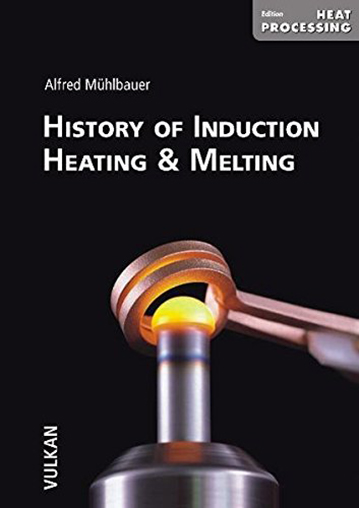
History of Induction Heating and Melting. Alfred Mühlbauer. ISBN 978-3-8027-2946-1
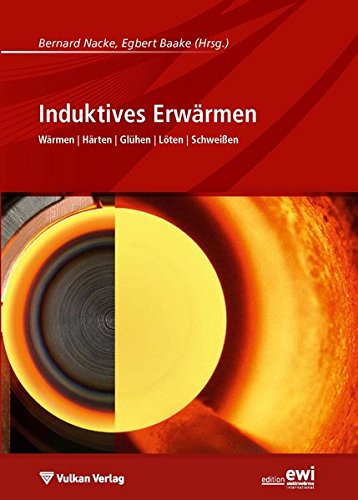
Induktives Erwärmen. Bernard Nacke, Egbert Baake (Publisher). ISBN 978-3-8027-2384-1
Industrielle Elektrowärmetechnik. Alfred Mühlbauer (Publisher). ISBN 3-8027-2903-X
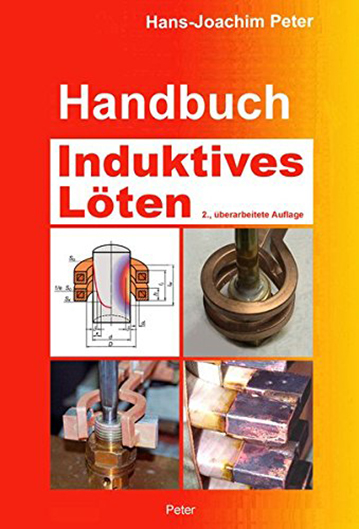
Handbuch Induktives Löten. Hans-Joachim Peter. ISBN 778-3-00-048537-4
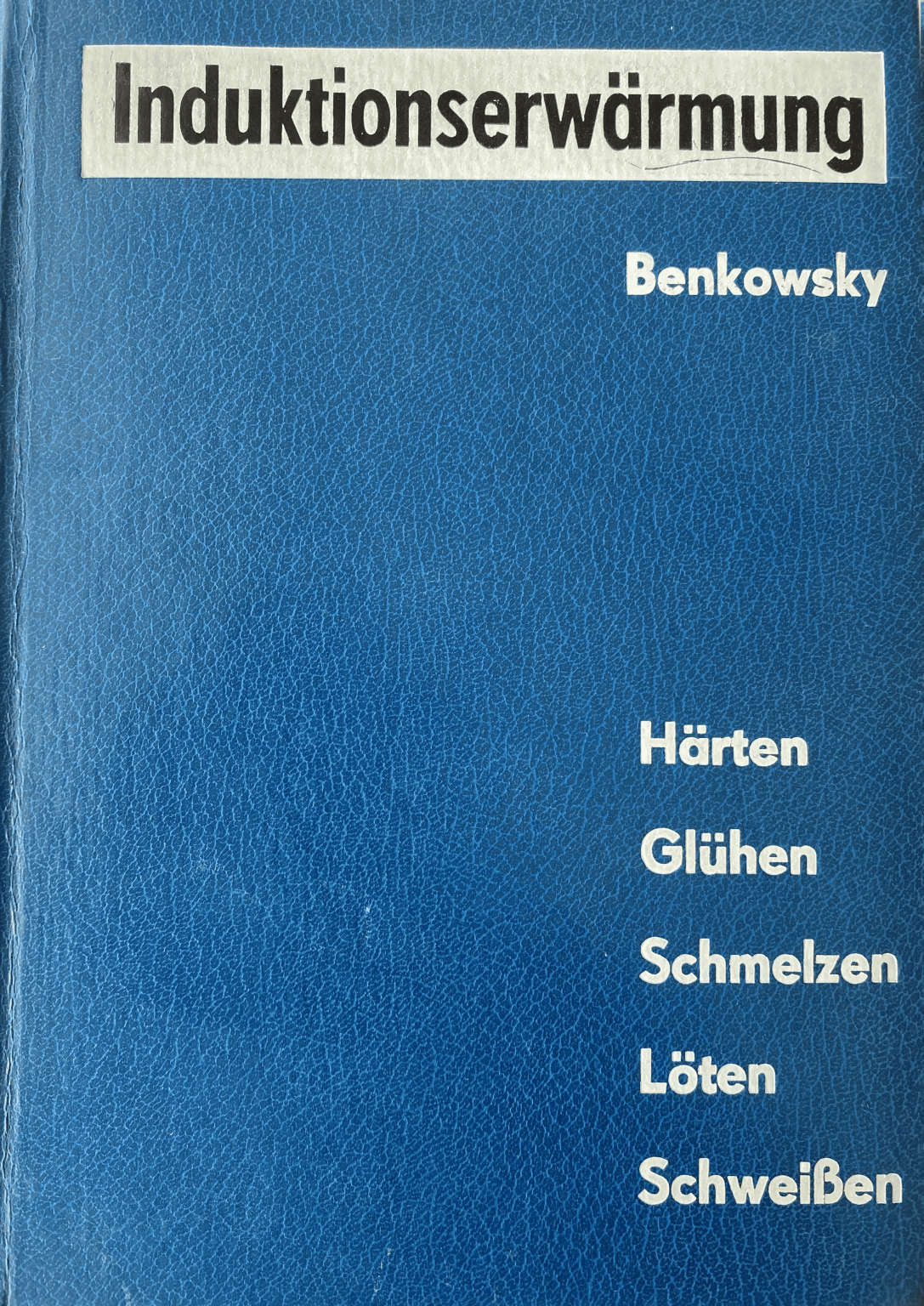
Induktionserwärmung. Günter Benkowsky. Order number 5528917 (VEB-Verlag Technik Berlin)
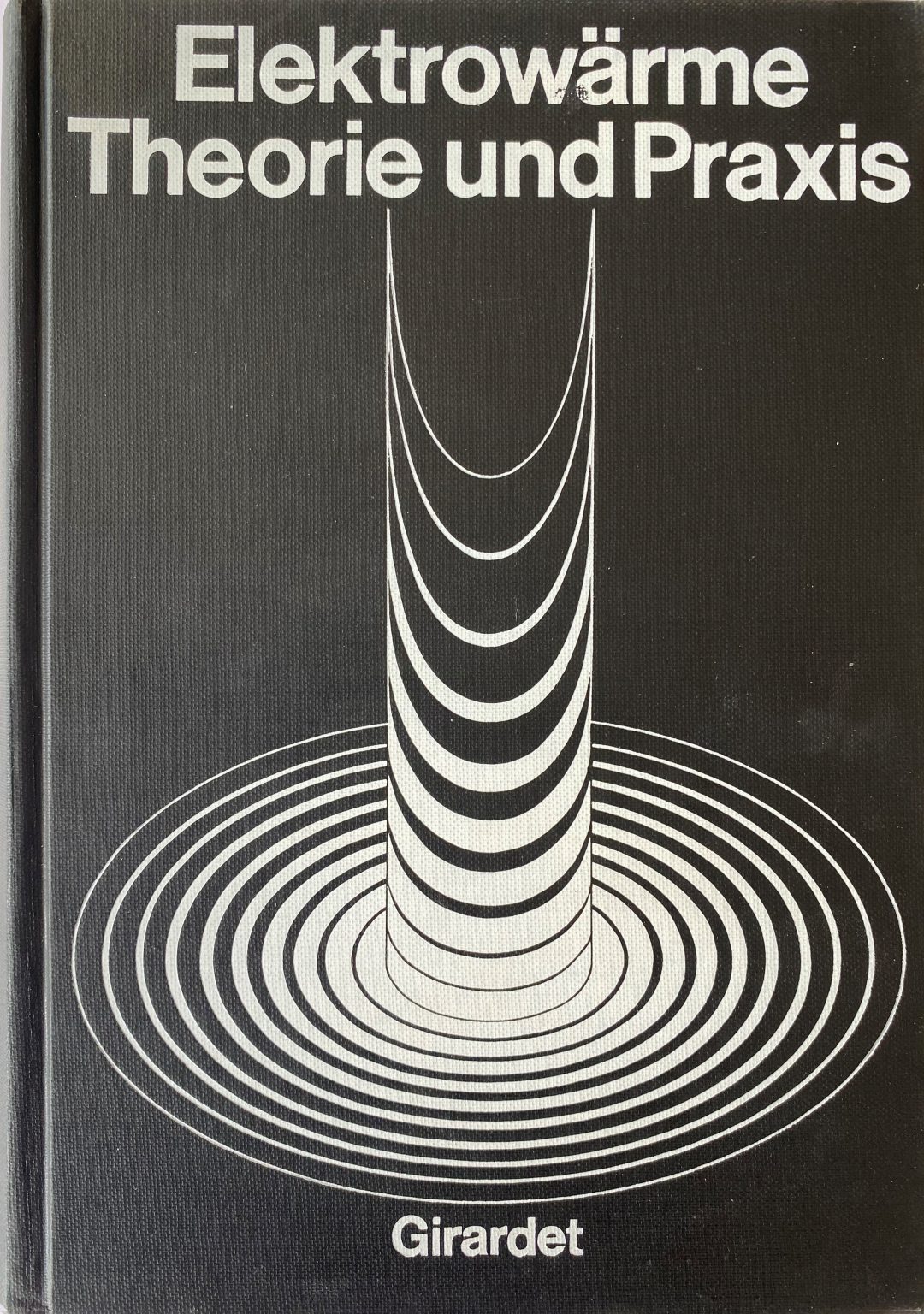
Elektrowärme. Theorie und Praxis. ISBN 3-7736-0355-X
We use cookies for the basic functionality of our website, to provide social media features and to analyze our traffic. We also share information about your use of our site with our analytics partners. You can change your preferences at any time. For more information, please see our Privacy Policy and Cookie Policy.
Since 1950, Himmelwerk has shipped more than 19,000 high and medium frequency converters worldwide. By how much can you reduce your CO₂ emissions per year? Let’s have a look.
Assumption 1: 25% of your converters are still operational.
Assumption 2: They have an average output of 6 kW and thus a power consumption of 7 kW.
Assumption 3: These generators are operational 8 hrs per day and 5 days per week.
Assumption 4: Inductive heating uses up to 40% less energy than conventional methods. Let’s assume 30%.
With these assumptions, our calculation would look like this: Daily energy consumption: 8 hrs x 7 kW = 56 kW
Energy savings per day: 56 kWh / 0.7 = 80 kWh; 80 – 56 = 24 kWh
Total energy savings per day: 24 kWh x 4,750 converters = 114,000 kWh
Total energy savings per year: 220 working days x 114,000 kWh = 25,080,000 kWh
Conversion factor kWh/CO₂: 1 kWh is equivalent to approx. 0.485 kg of CO₂ (source: German Federal Environmental Agency, Climate Change 15/2022)
CO₂ reduction per year: 25,080,000 kWh x 0.485 kg = 12,163,800 kg